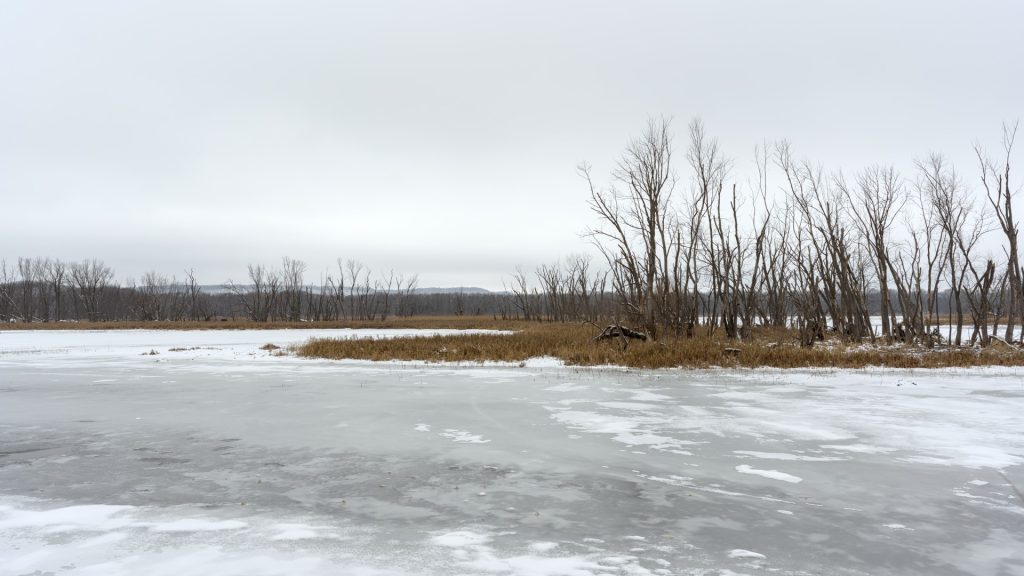
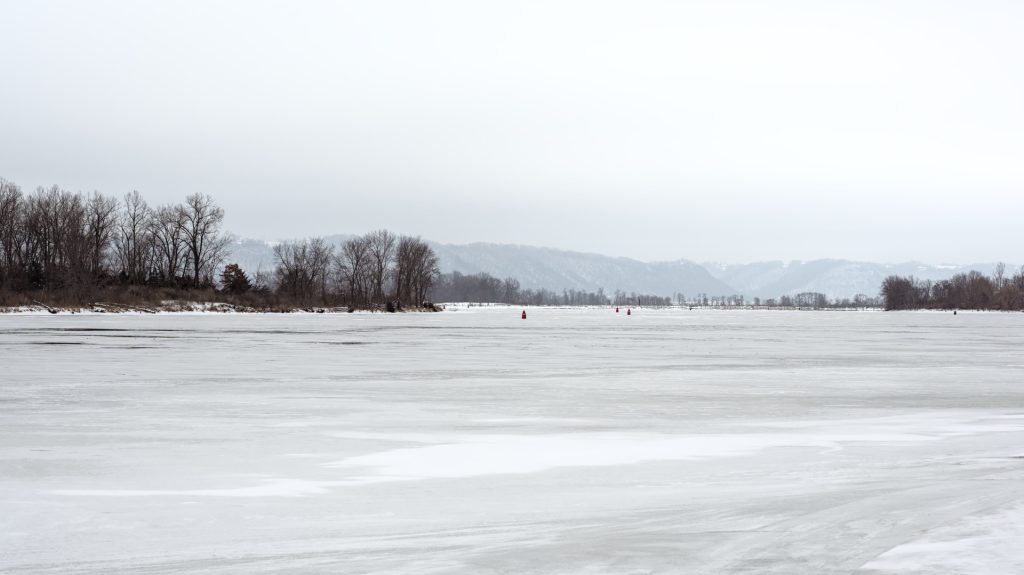
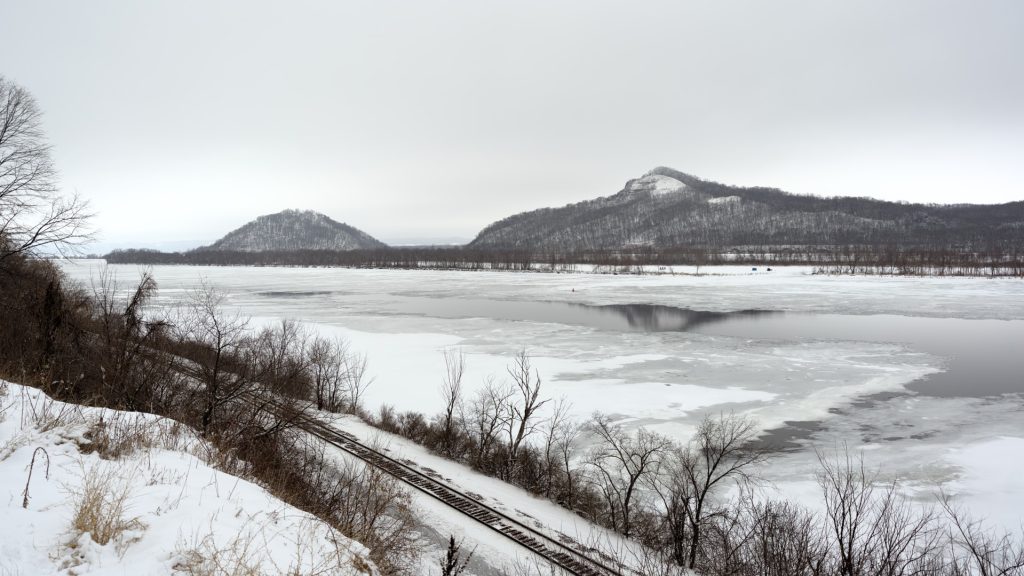
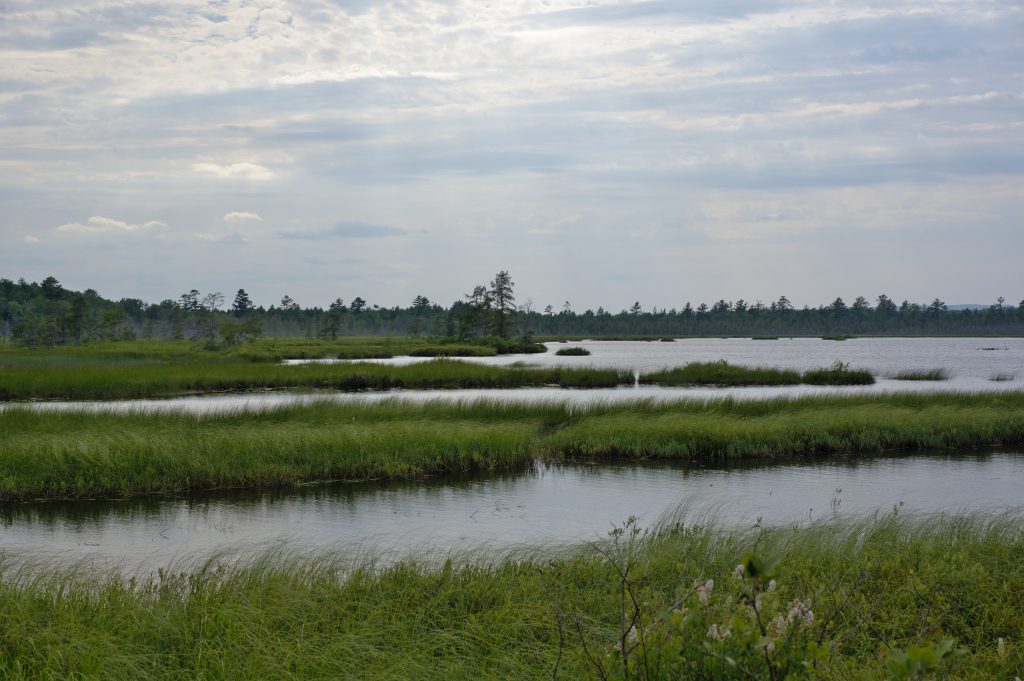
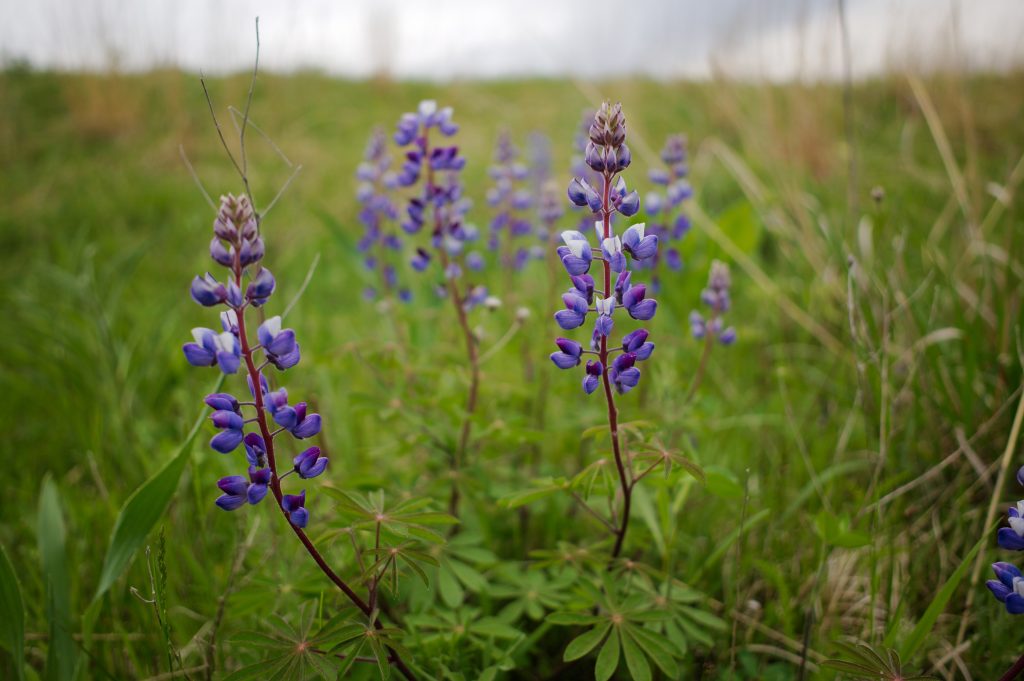
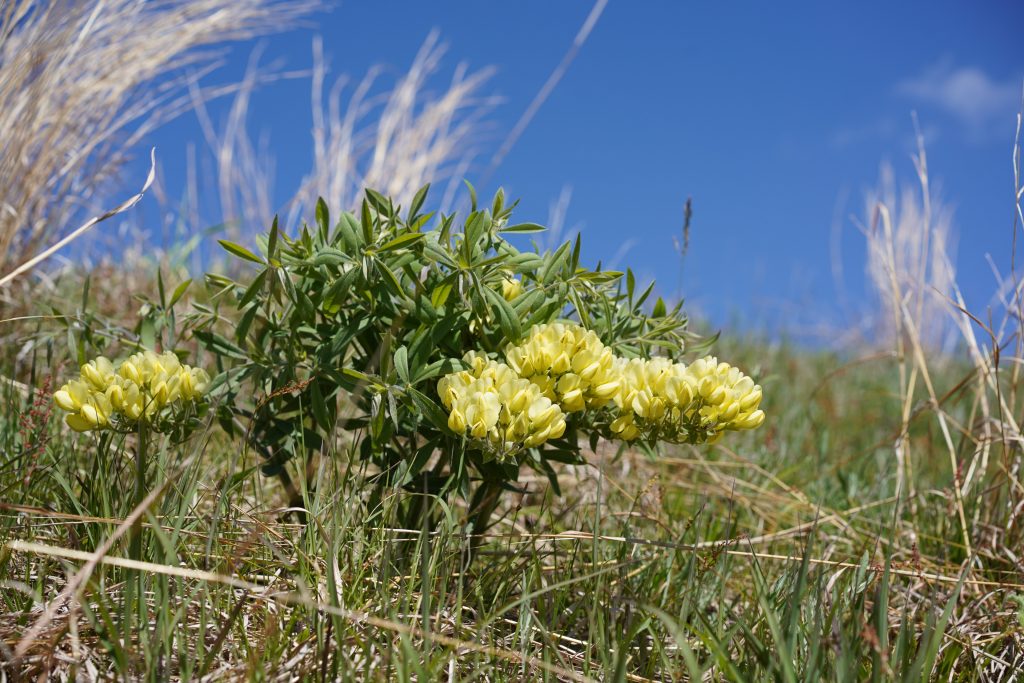
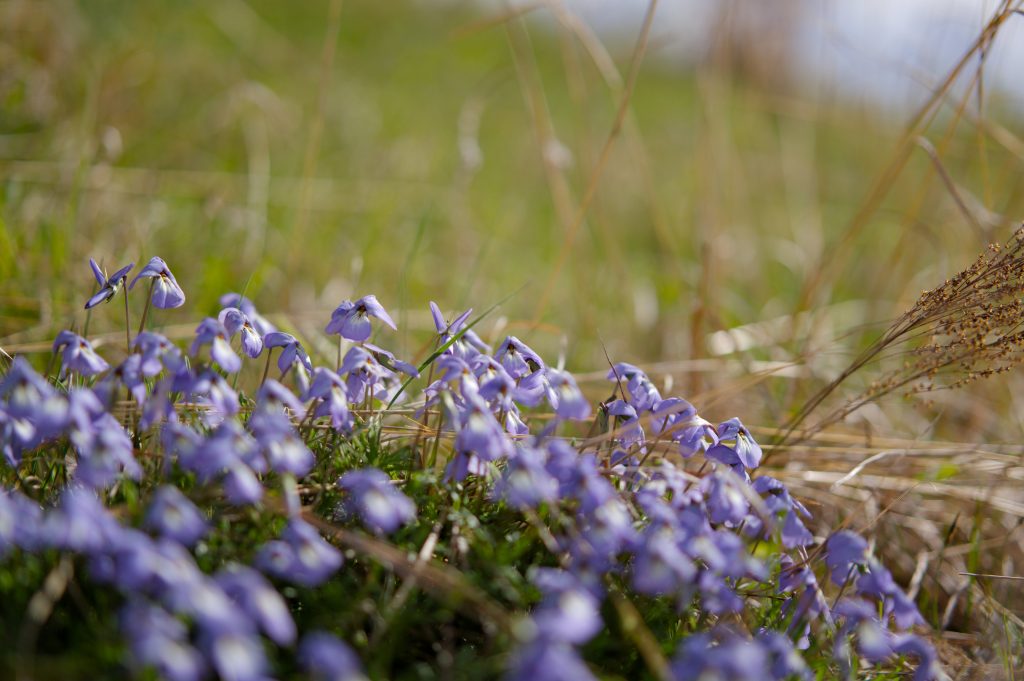
It has been an exceptionally mild winter on the Upper Mississippi River in 2024, with little snow and average temperatures above freezing for much of the past month. It was a different story a year ago. I took these photos between Lansing, Iowa and Winona, Minnesota in 2023.
I. A Backwater Slough
II. The Main Channel
III. La montagne qui trempe à l’eau.
IV. A Reminiscence
In the 19th century, people used sled trains on the river ice during the winter to travel and haul goods. When the ice became too thin for a sled, people traveled by pony until the water thawed completely enough for boats to navigate the river. Antoine Grignon, a fur trader of French, Dakota, and Ho-Chunk ancestry, recounted the following story of a mail delivery that went awry during this period:
One year, in the latter part of winter, early in March, I think, Joseph Reed started from Prairie du Chien with the government mail bound for Winona. When he arrived the carrier from St. Paul was not there. It was mild weather, so Reed concluded to proceed on his journey until he met his partner from up river. By the time he reached Holmes’ Landing, the weather had grown considerably warmer, and the ice showed signs of breaking up. Still he pushed on, and urging his pony over the ice, sped away towards the north. On nearing Minneiska he heard the ice begin to give way — groan, crack, and move; looking about he saw that an island in the river offered his only place of escape from drowning, as the ice was fast breaking up. He made his way thither, and arriving in safety started to explore his new quarters. He had gone but a short distance when he ran across the St. Paul mail-carrier, who had likewise made the island in safety. By this time the ice in the river was moving fast, and before another day had nearly cleared. So there they were with little provision, shut off from mainland by a wide channel.
After their provisions gave out, they subsisted on rose-apples; they halloed in vain for help, but it was a sparsely-settled region at that time and no one heard them. After living on the island nearly two weeks, they were rescued by a party of Sioux who were coming down the river in canoes. The Sioux took the two mail-carriers into their canoes and left them at Holmes’ Landing, where after two weeks of recuperation they resumed their routes. They were weak, emaciated, and nearly starved to death.
Antoine Grignon and Eben Douglass Pierce, “The Recollections of Antoine Grignon,” in Proceedings of the State Historical Society of Wisconsin at Its 61st Annual Meeting Held Oct. 22 and Dec. 19, 1913, (Madison: State Historical Society of Wisconsin, 1914), 116.
Marquette and Jolliet enter the Mississippi. Detail from an artistic interpretation by Cal N. Peters, c. 1940.
Jacques Marquette and Louis Jolliet are celebrities of Midwestern history. Cities and schools are named in their honor and their likenesses appear in art and architecture around the United States. This year marks the 350th anniversary of the event for which Marquette and Jolliet are famous: a canoe voyage down the Mississippi River with five voyageurs in 1673. The anniversary is being widely publicized. My hometown of Prairie du Chien, Wisconsin, near where the French first entered the Mississippi, is celebrating the event with a carnival. From these commemorations, it might seem that Marquette and Jolliet have always been figures of great historical importance — but the cultural significance of their canoe trip has shifted greatly over the last three and half centuries.
The Debated Claim of “Discovery”
Like other children in my predominantly white hometown, I was told while growing up that Marquette and Jolliet were important because they “discovered” the Mississippi River in 1673. Already by high school, I learned that this was not quite accurate — but not because it neglected the Indigenous nations who had already known the Mississippi for thousands of years. Instead, I learned that the Spaniard Hernando De Soto had “discovered” the Lower Mississippi in 1541, and that other French men, such as Radisson and Groseilliers, had perhaps already seen the Upper Mississippi in the 1650s. Regardless, Marquette and Jolliet were to be commended for making the first written account of the river’s course.
Only as a college undergraduate did I read Marquette’s journal and begin to understand that Marquette and Jolliet were guided and supplied by Native American allies on their journey, traveling water routes that were long established by Menominee, Illiniwek, Quapaw, and other Indigenous nations. Marquette’s account of the voyage makes clear that the travelers not only relied on Indigenous knowledge, but also saw meeting with the people who lived along the Mississippi as the main purpose of their journey. They did not set out to map an empty land — in fact, they set out with a map already started based on reports from Illiniwek people. Marquette and Jolliet traveled to lands that they knew were inhabited because they sought to draw new people into the colonial orbit of France and the Catholic Church. Meeting people was so central to the journey that Marquette could write that the expedition “advanced over 60 leagues since we entered the river, without discovering anything” — until they finally reached the Peoria village of the Illiniwek a week after entering the Mississippi.
Today’s media reports on the 350th anniversary of Marquette and Jolliet’s voyage are making an overdue effort to recognize the centrality of Indigenous people in the expedition, as well as the legacy that the journey had in furthering the European colonization of Indigenous homelands. As Indigenous studies professor Margaret Huettl explained in a discussion with Wisconsin Public Radio, the explorers traveled through “a thriving network of Indigenous economies, politics, and social communities.” Children today hopefully don’t have to reach college before understanding that the 1673 expedition was a meeting of cultures where Europeans followed in the footsteps of Indigenous guides rather than treading new, unbroken ground. At the same time, in commemorating the explorers, today’s reports still dance awkwardly around the notion of “discovery,” acknowledging that the word is misplaced, but struggling to articulate an alternative reason for Marquette and Jolliet’s ongoing significance.
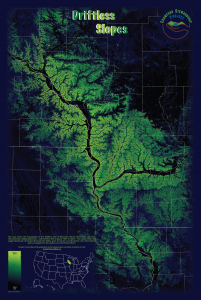
The Driftless Slope Map that I created in 2013 is now available for sale from the nonprofit Crawford Stewardship Project. Both posters and postcards are available. Purchases support environmental sustainability in Crawford County, Wisconsin, at the heart of the Driftless Area.
Crawford Stewardship Project works to protect Crawford County and neighboring regions from threats of polluting and extractive industries, to promote sustainable land use, environmental justice, and local control of natural resources.
Crawford Stewardship Project mission statement
The Crawford Stewardship Project is an independent 501(c)3 nonprofit and I receive no royalties or fees from their merchandise sales.
Comet C/2020 F3 NEOWISE, discovered only a few months ago, is now putting on a marvelous show in the northern sky.
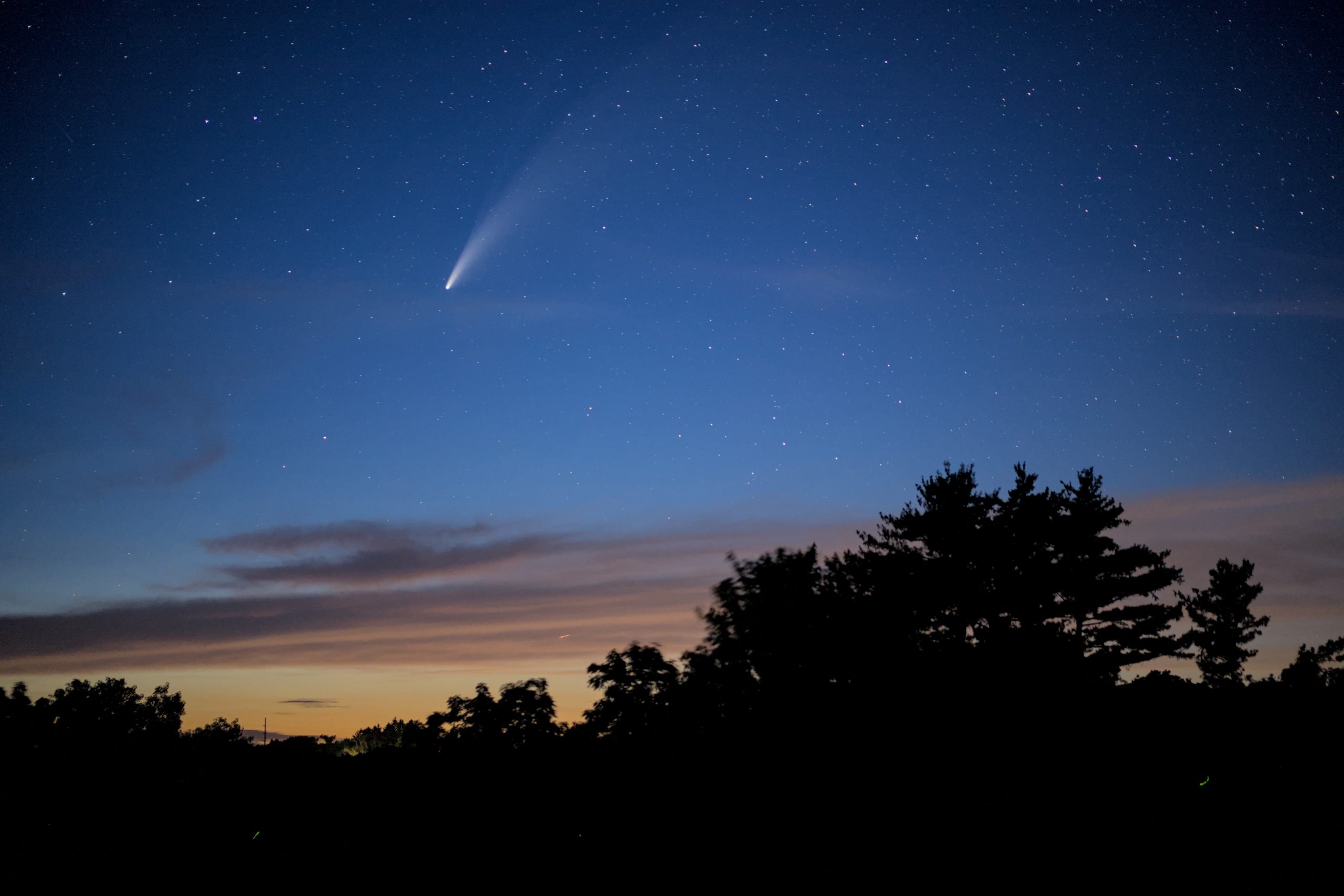
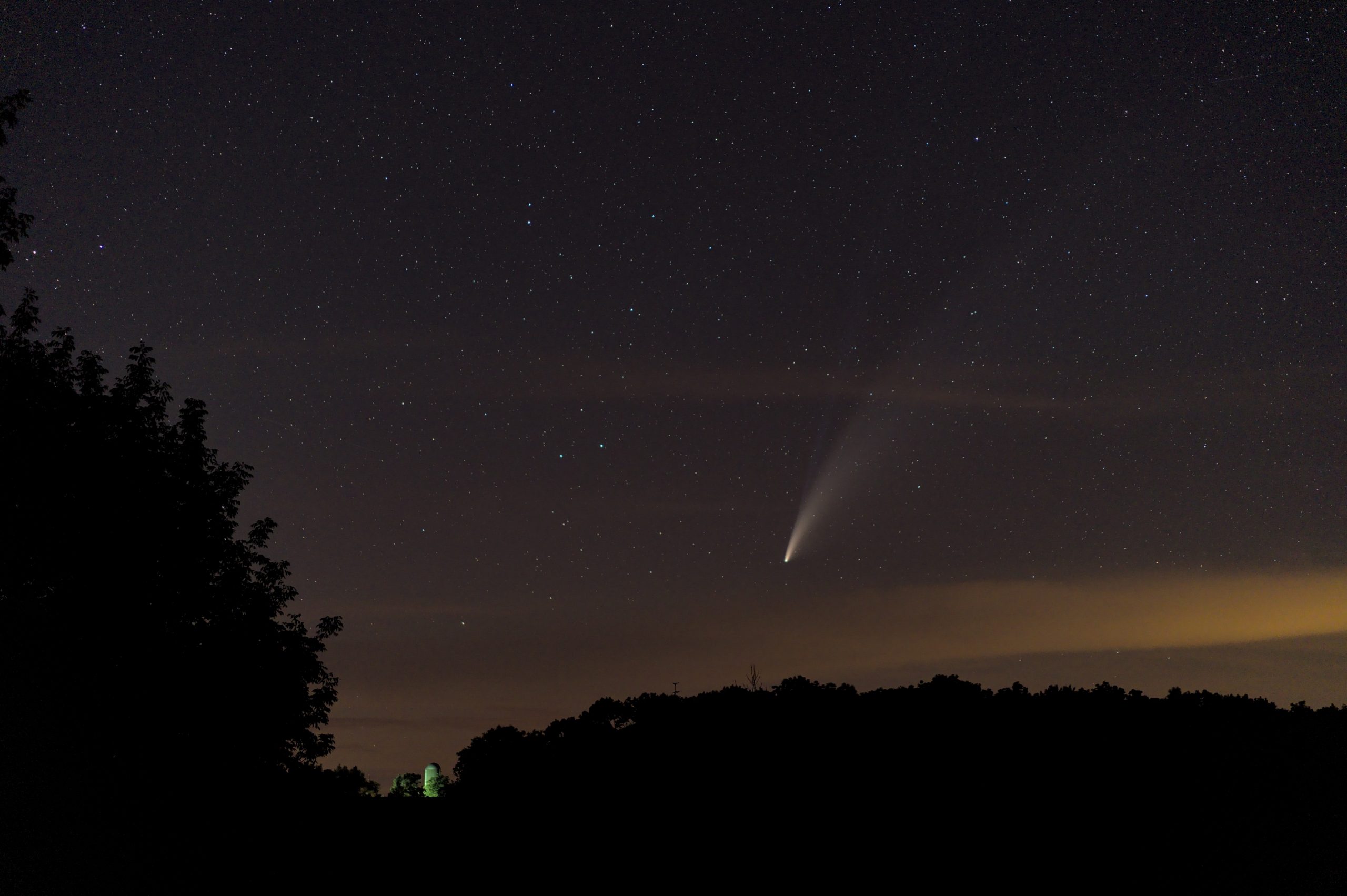
I went out last week with a 55mm F1.8 lens to capture some obligatory comet photos and then turned my camera on a few other highlights of the July 2020 evening sky over Wisconsin. Click on a picture to expand it.
I. Comet NEOWISE above the pines:
Comet NEOWISE and a pine grove. About 1½ hours after sunset.
II. Comet NEOWISE and the Farm Silo
Comet NEOWISE nears the horizon, with a farm silo illuminated in the distance. About 2¼ hours after sunset.Continue reading →
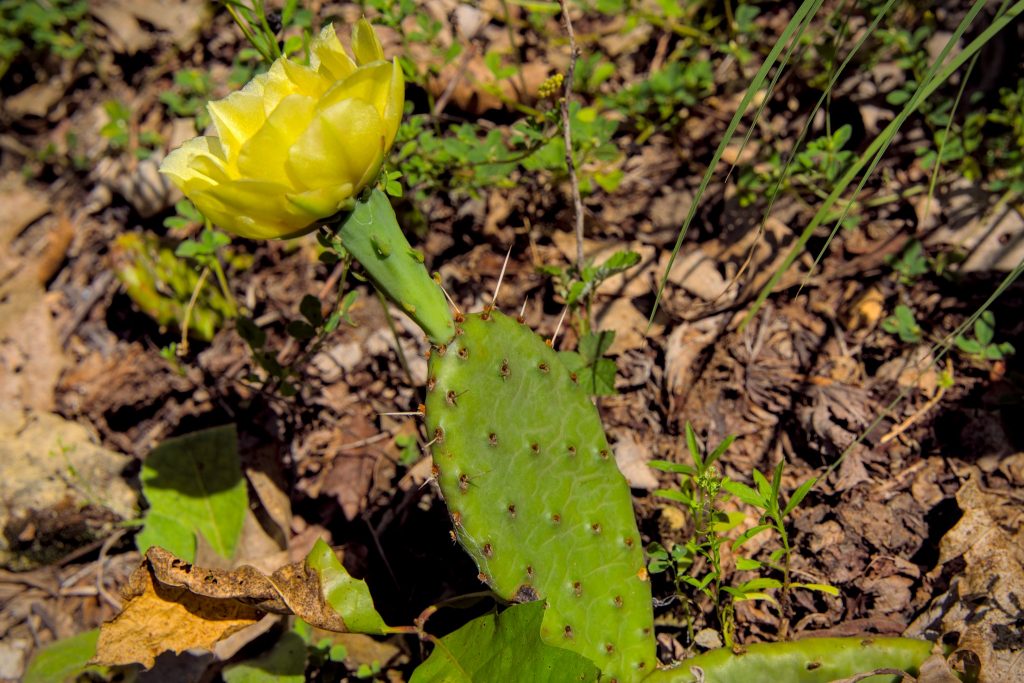
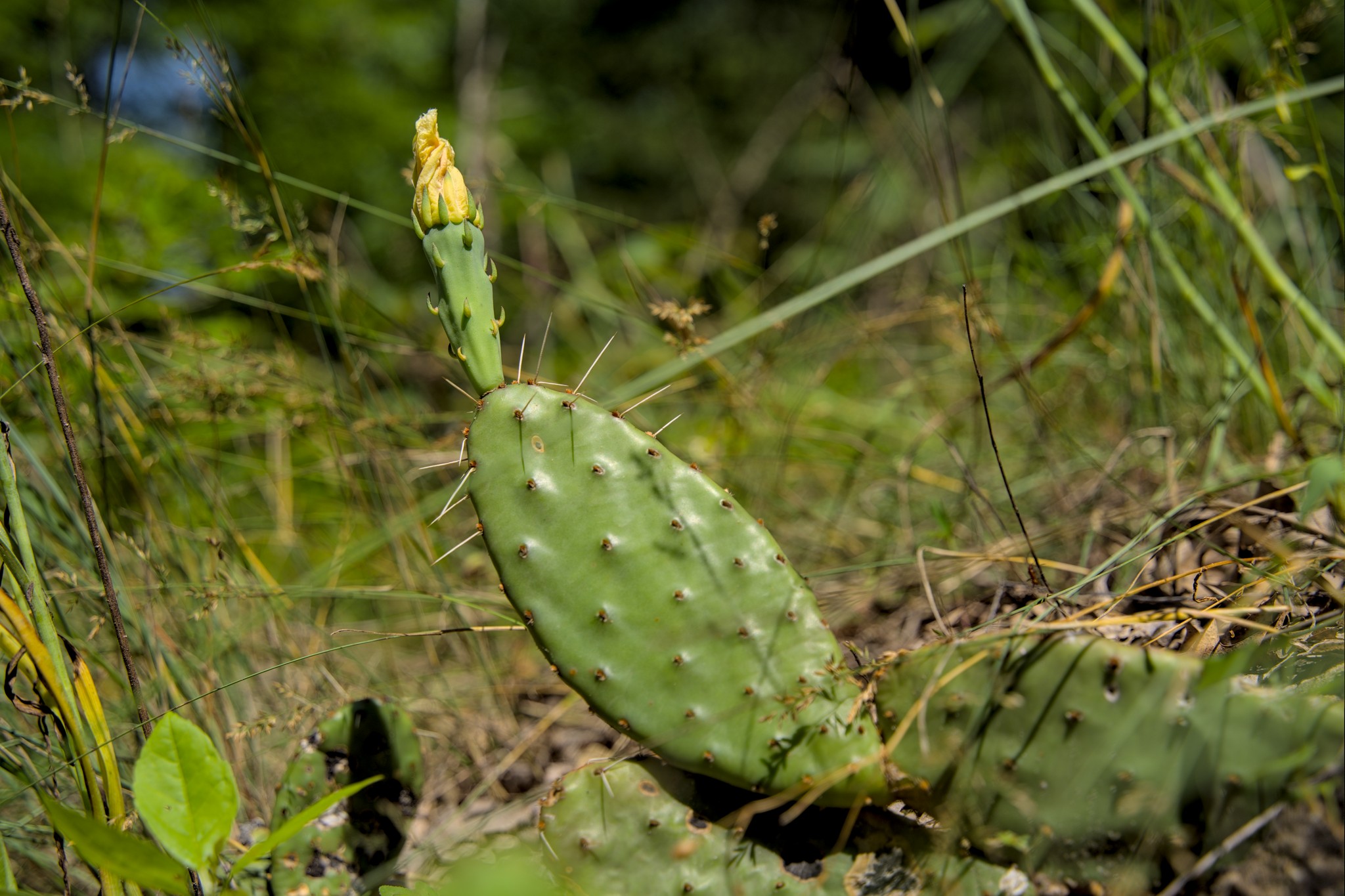
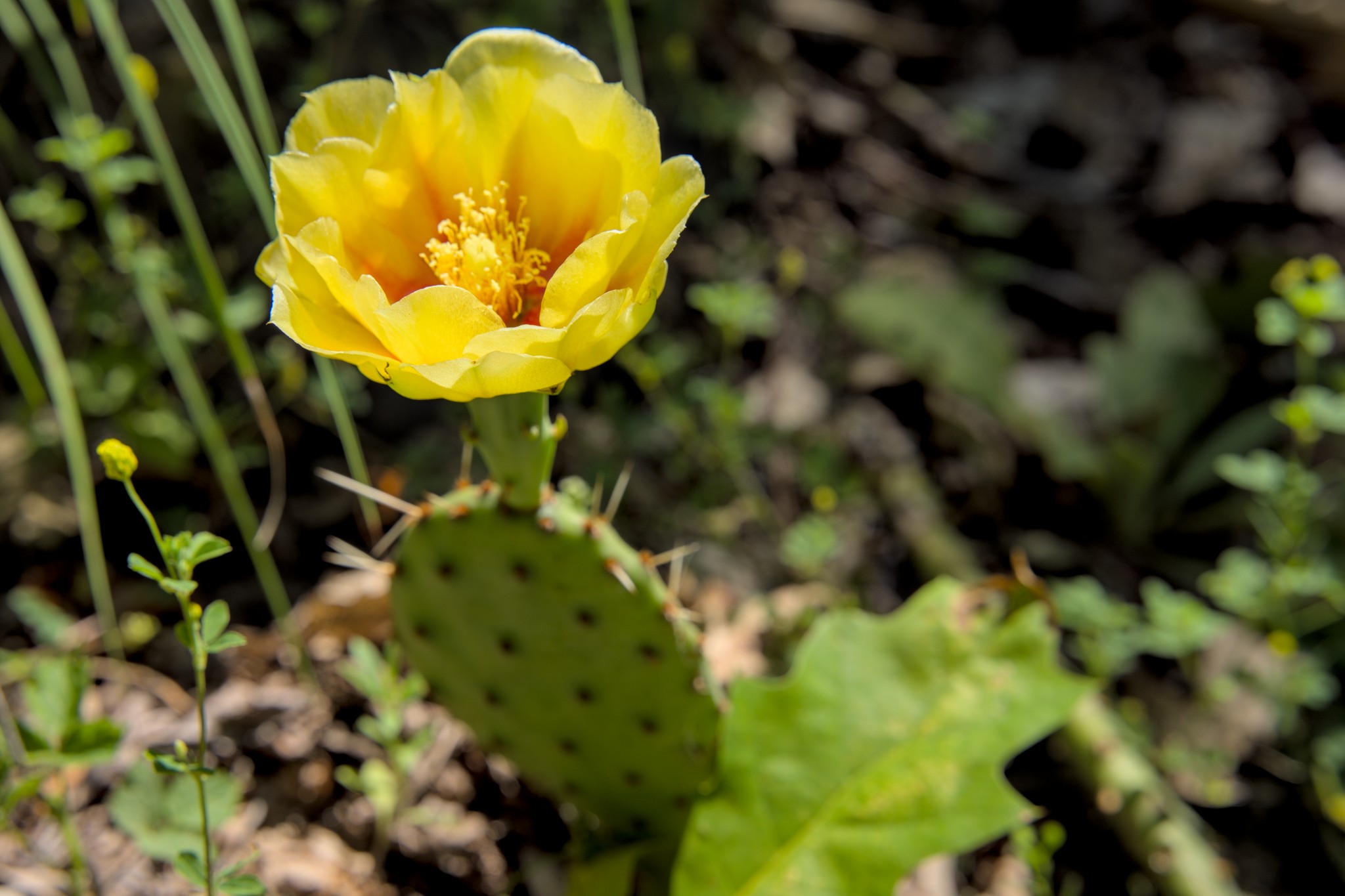
Wisconsin is better known for trees, cows, and snow than for cactus. Even so, multiple species of prickly pears have a native range extending to the Upper Midwest. The cacti are not abundant, but they can flourish in the micro-climates created by well drained, sunny slopes in the Driftless Area.
These wild prickly pear cacti grow along a south facing outcrop of St. Peter sandstone in southwest Wisconsin. I was lucky enough to find them just in time for their short lived yellow blossoms in early July.
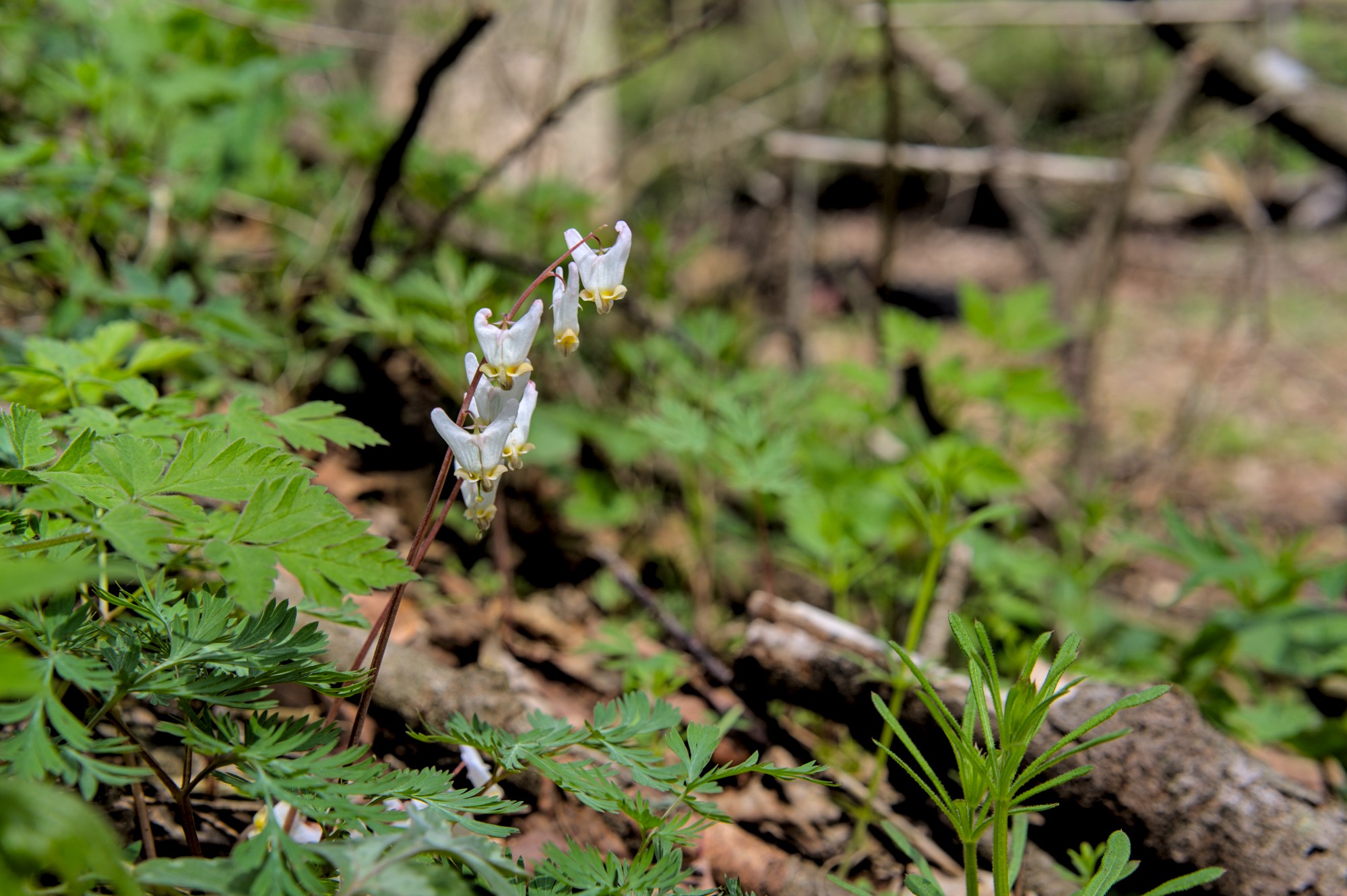
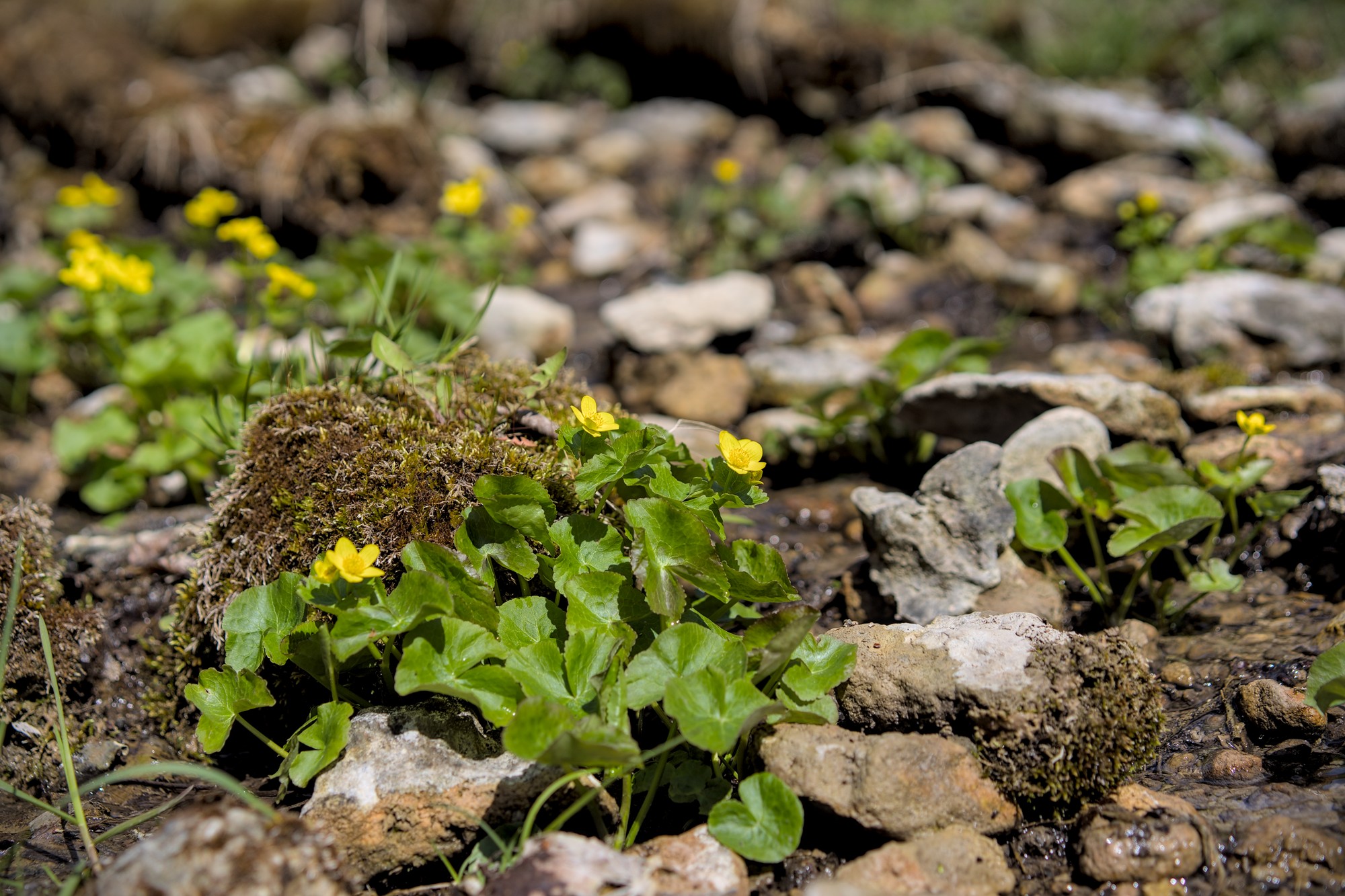
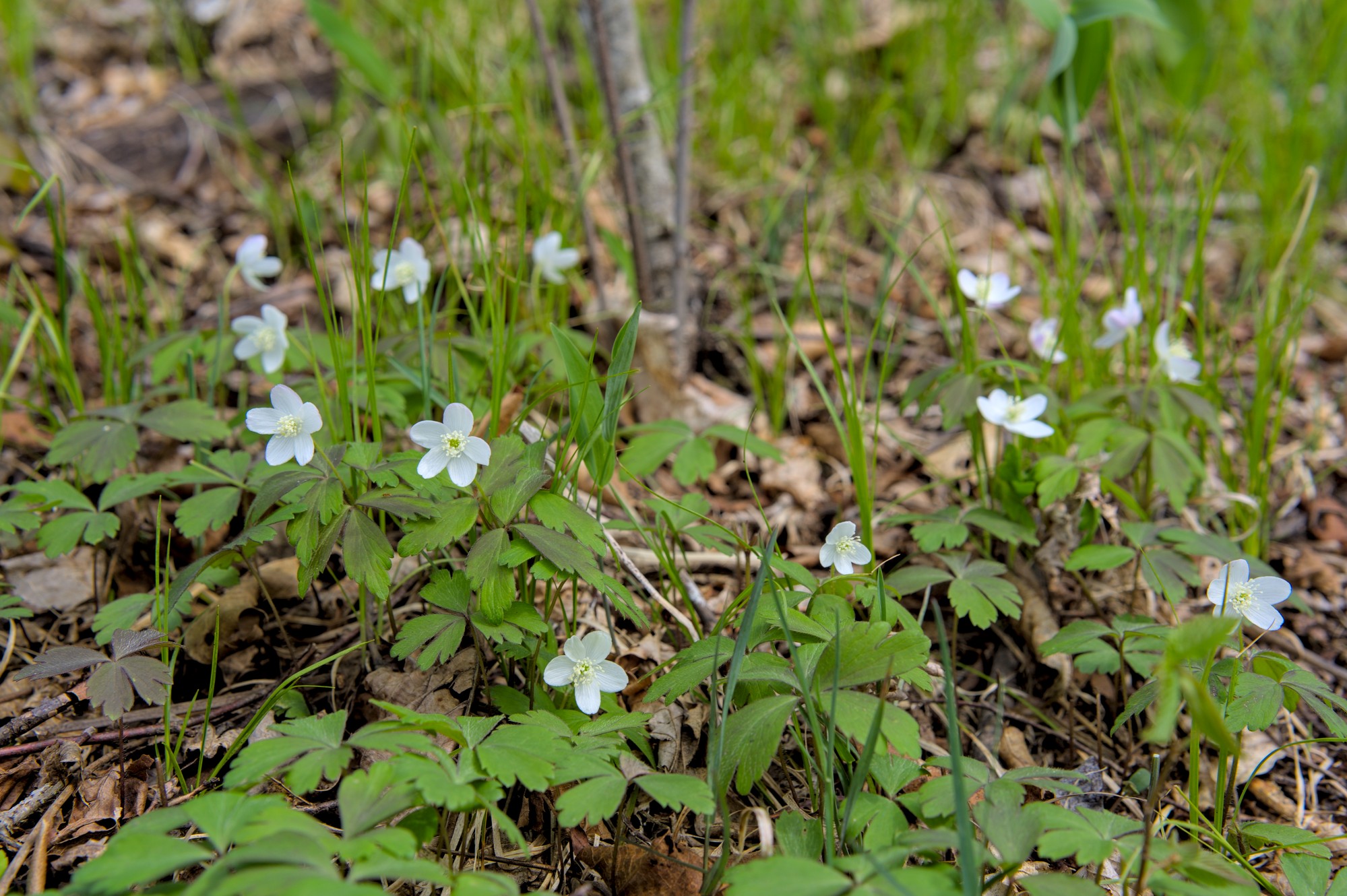
While shops, schools, and museums shut down for safety from March to May amid the COVID-19 Pandemic, the woods of Driftless Wisconsin came alive in their usual burst of spring color. This photo gallery looks back at the emergence of spring wildflowers week-by-week.
For another perspective on spring in the Driftless Area, don’t miss the nature walk video series from B&E’s Trees on YouTube: [1][2][3][4][5]. They’re full of interesting information on Wisconsin’s spring ephermals.
April 20
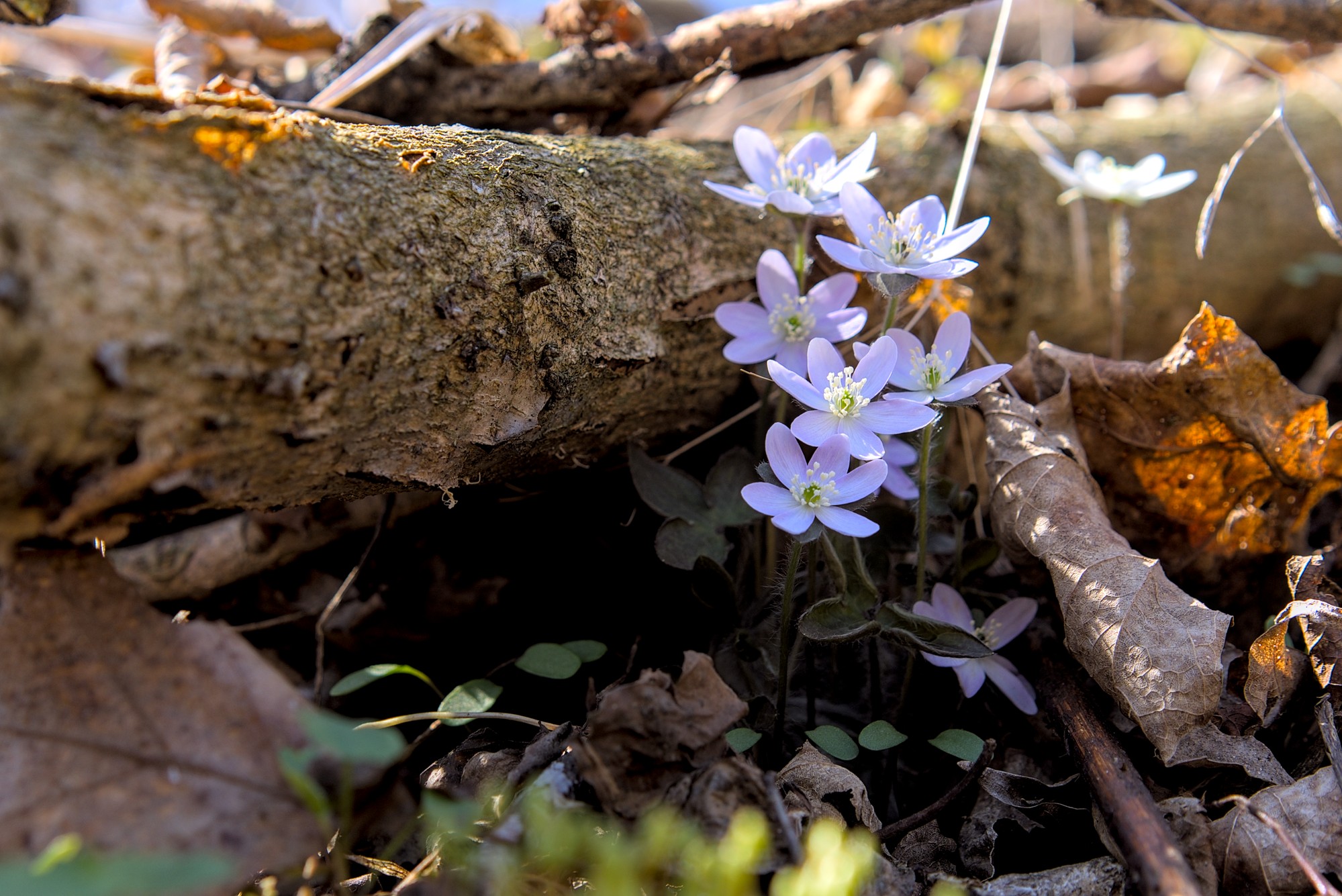
Fragile points of color, the first flowers in April rise only slightly from the bed of last year’s decay. Bloodroot, hepatica, and dutchman’s breeches announce the new season throughout much of the woods. The marsh marigolds cluster only around a well-watered natural spring.
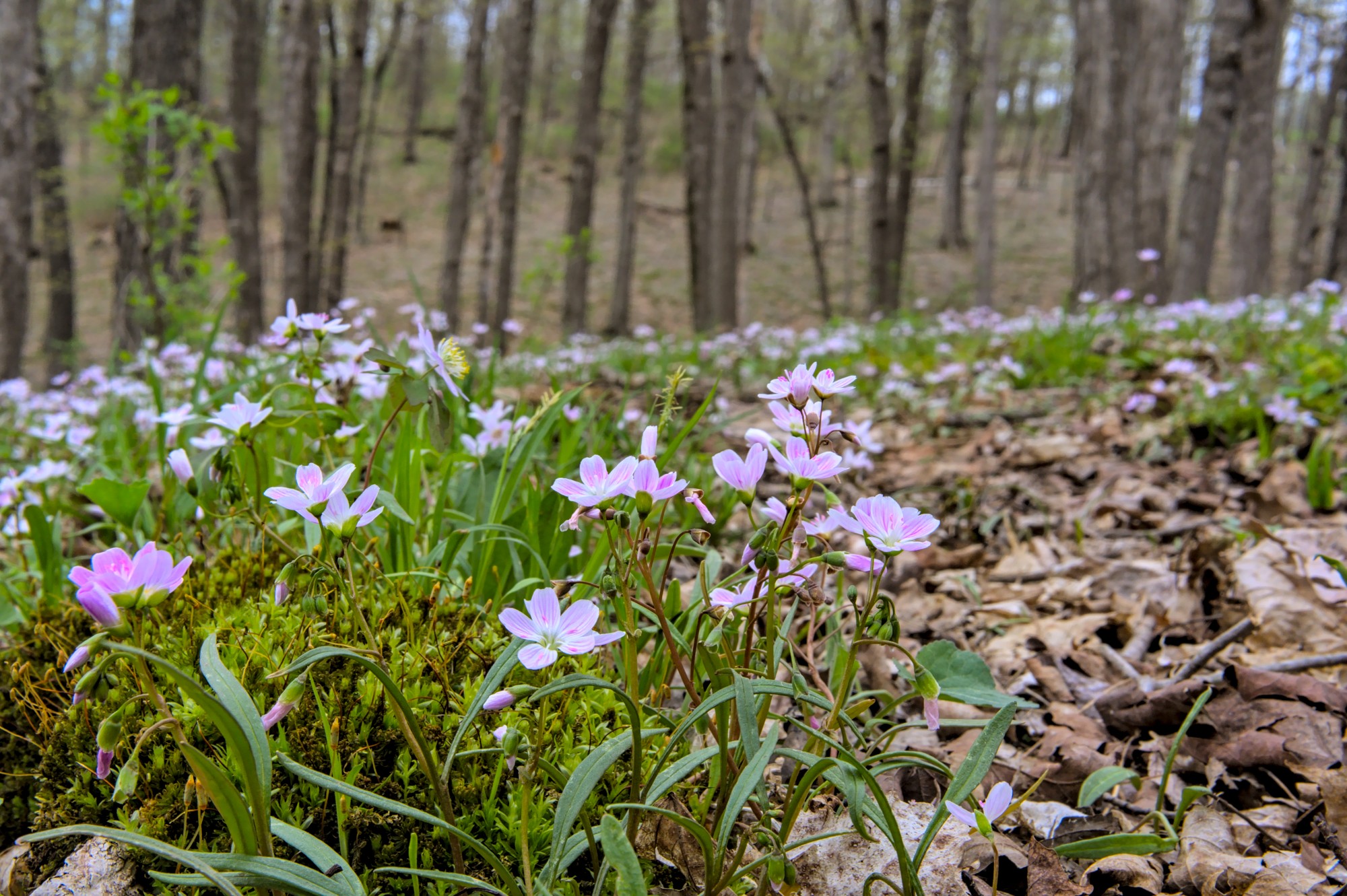
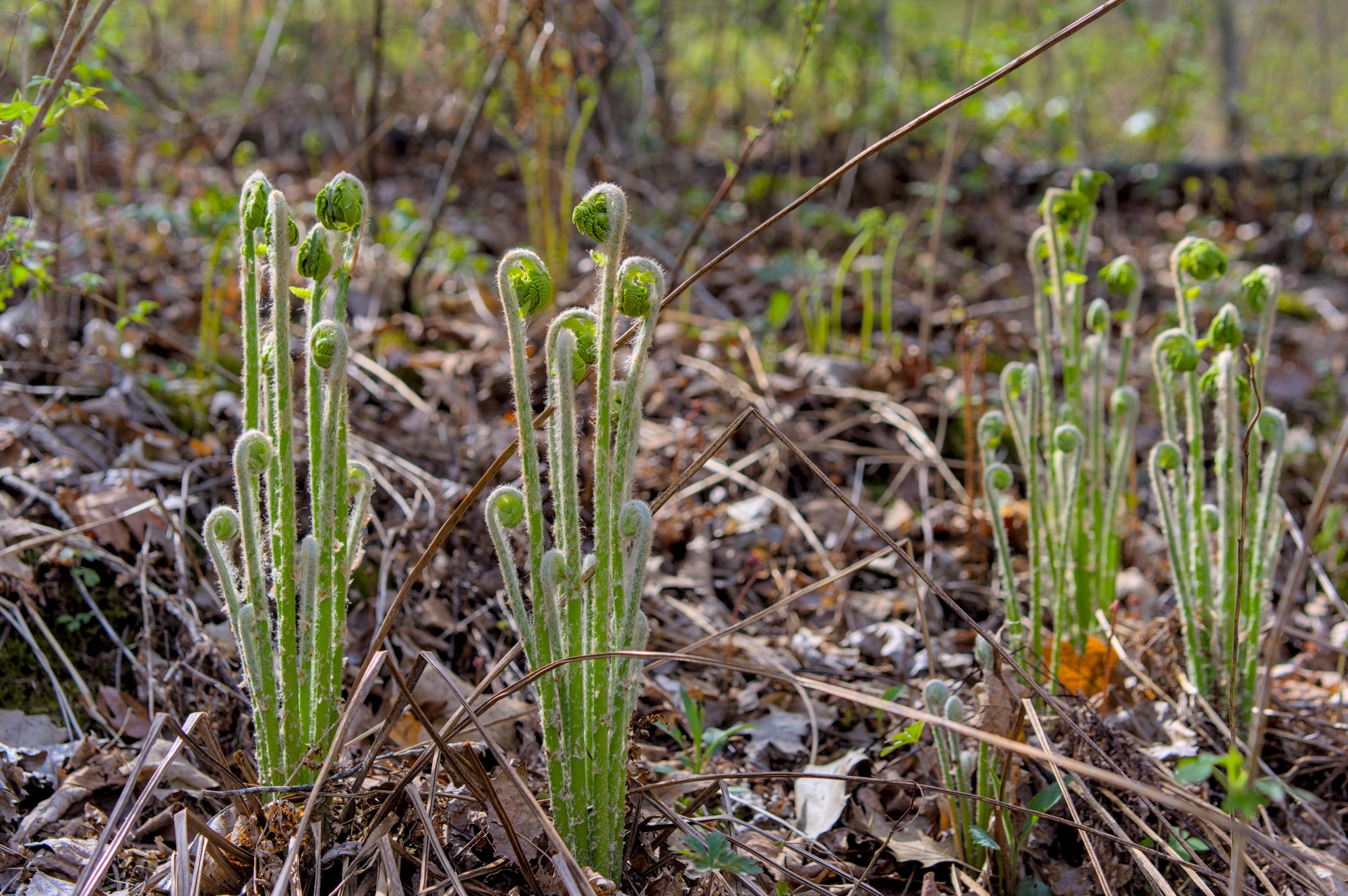
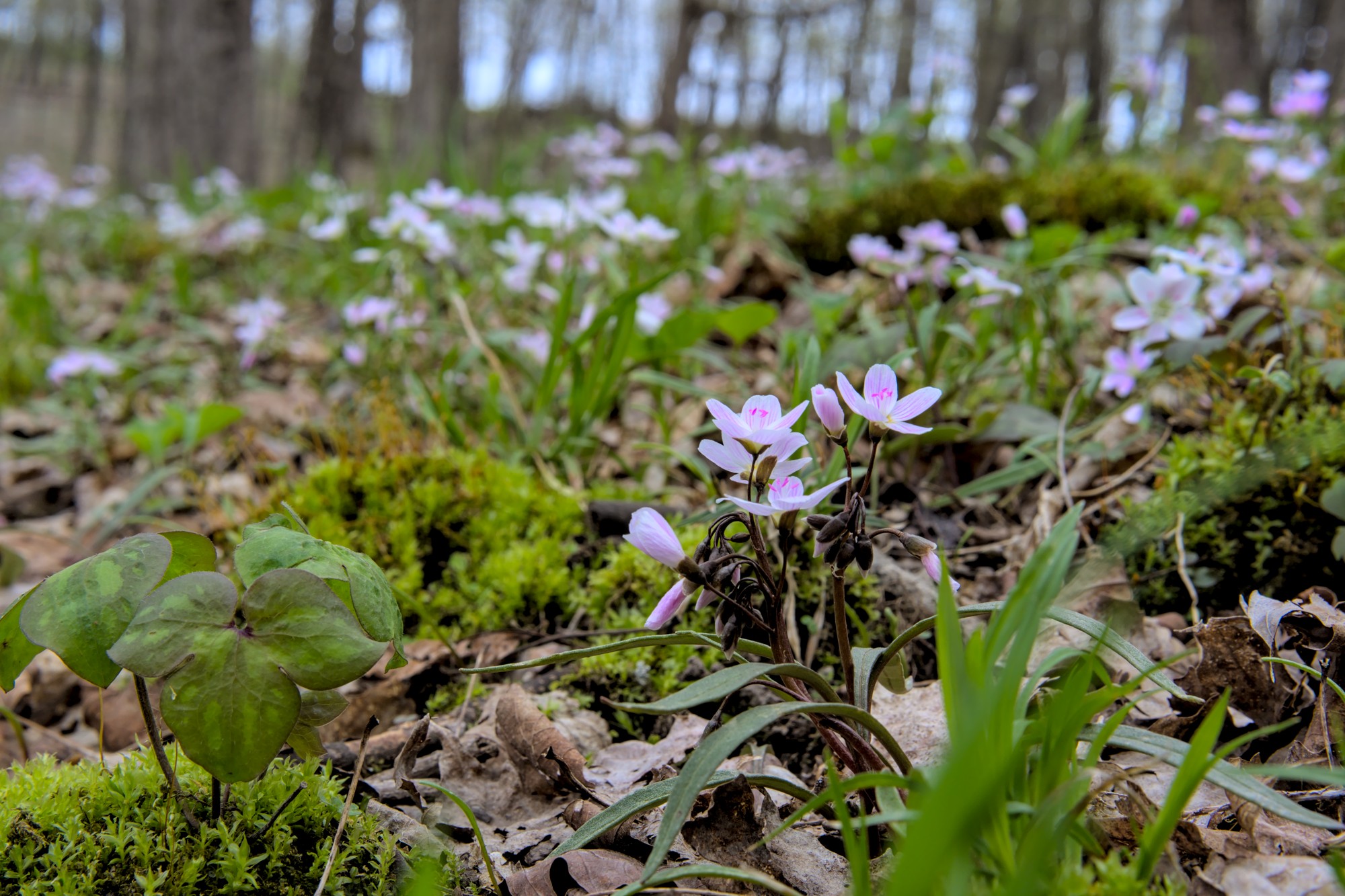
As April turns to May, whole stretches of the woods are carpeted with pink-and-white spring beauty. Tree leaves are beginning to bud, but the canopy is still wide open for sunshine to reach the forest floor. Both rue and wood anemones are widespread, and ferns are uncurling from their fiddleheads.
Spring Beauty and Rue AnemoneWild OatsFernsSpring BeautyWood AnemoneContinue reading →
Note: This is a repost of my opinion letter printed in the June 10, 2020, Courier Press. The memorial sits in a federal cemetery managed by the National Cemetery Administration, which opposes any modification to Confederate symbols on its property. More information on the memorial is available from the Historical Marker Database and the Milwaukee Journal-Sentinel.
Since the murder of Black Minneapolis resident George Floyd on May 25, Americans across the nation have marched to protest the United States’ long history of institutional racism — from Black slavery and segregation to present disparities in policing and incarceration. In Prairie du Chien, one relic of this white supremacist history endures in the stone and bronze plaque memorializing Confederate President Jefferson Davis at the Fort Crawford Military Cemetery. Lately, cities including Birmingham, Alabama, and Richmond, Virginia, have begun to remove Confederate monuments in an effort to overcome histories of racial violence. Madison, Wisconsin, removed its Confederate Soldiers’ Memorial from Forest Hill Cemetery in 2017. Prairie du Chien should follow the example of these cities by replacing its own small Confederate plaque with historic markers that better represent local history.
A common objection to the removal of Confederate monuments is that taking them down erases history. The American Historical Association disagrees, noting that “To remove such monuments is neither to ‘change’ history nor ‘erase’ it. What changes with such removals is what American communities decide is worthy of civic honor.” Jefferson Davis briefly stayed at Fort Crawford during the 1830s as a U.S. Army Lieutenant. His time there should continue to be examined in exhibits at the Fort Crawford Museum and books at the library, for we can learn from history only by recognizing both successes and failures, good and evil. That said, the community does not need to preserve a memorial for Davis at the entrance to the cemetery simply because of his brief time here. Prairie du Chien gives no comparable public honor to any other military officer who served at Fort Crawford.
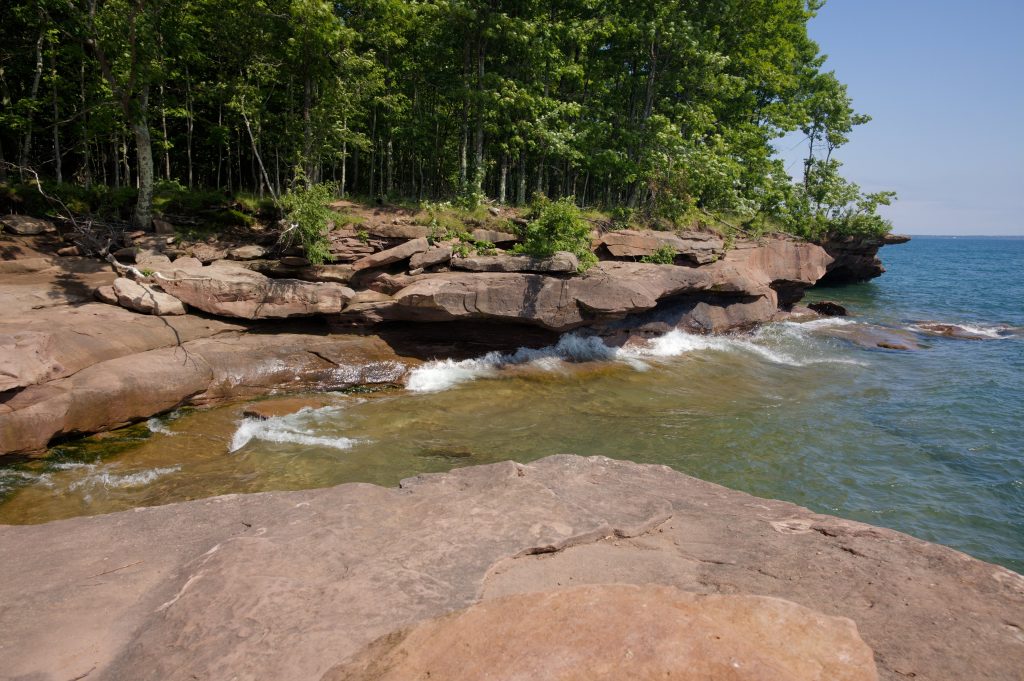
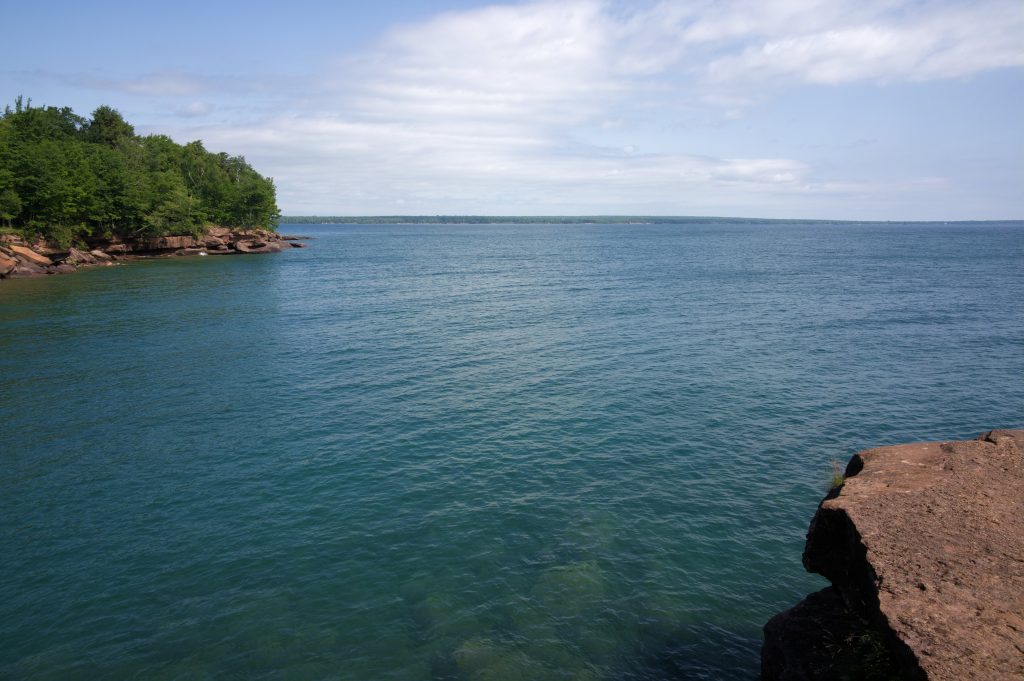
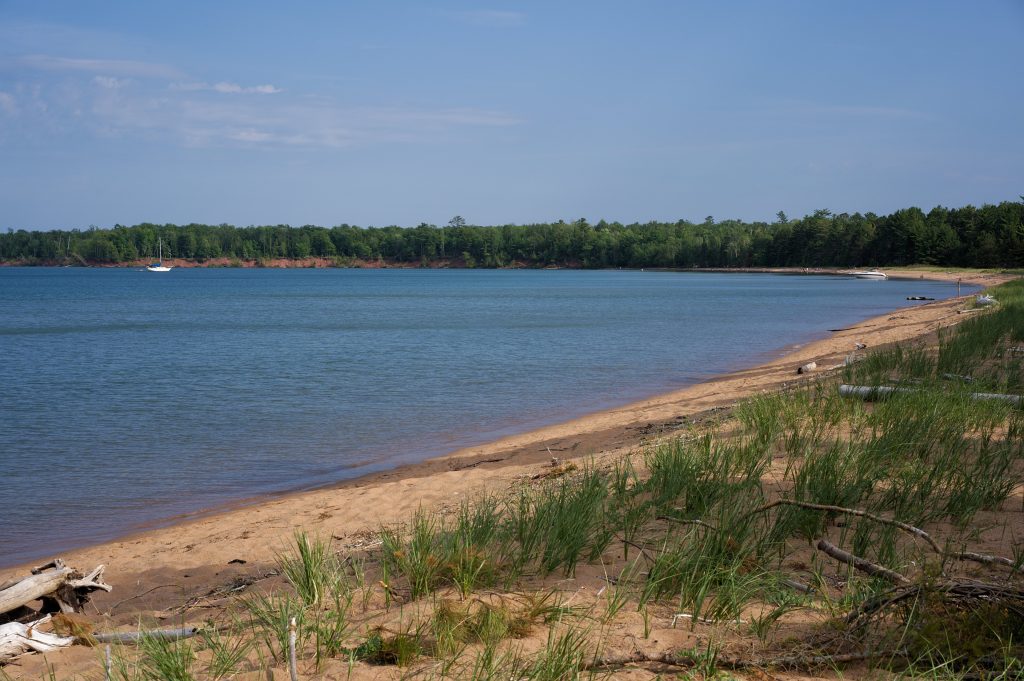
Summers are fleeting but beautiful on Lake Superior. These photos come from a weekend camping trip to Chequamegon Bay and Madeline Island.
The island, known as Moningwunakaauning in the Ojibwe language, was merely a visiting destination for me. For the Anishinaabeg people, it is a sacred place.
Read Winona LaDuke’s essay Restoring a Multi-Cultural Society in a Sacred Place to learn about the island’s history and the challenges of protecting this culturally and environmentally significant corner of the Great Lakes.
Spring took its time in coming to Wisconsin this year, and when it arrived the rain clouds seemed to hang overhead for weeks at a time. All that water had to make something grow eventually, though, and the prairies were in blossom by the end of May.